
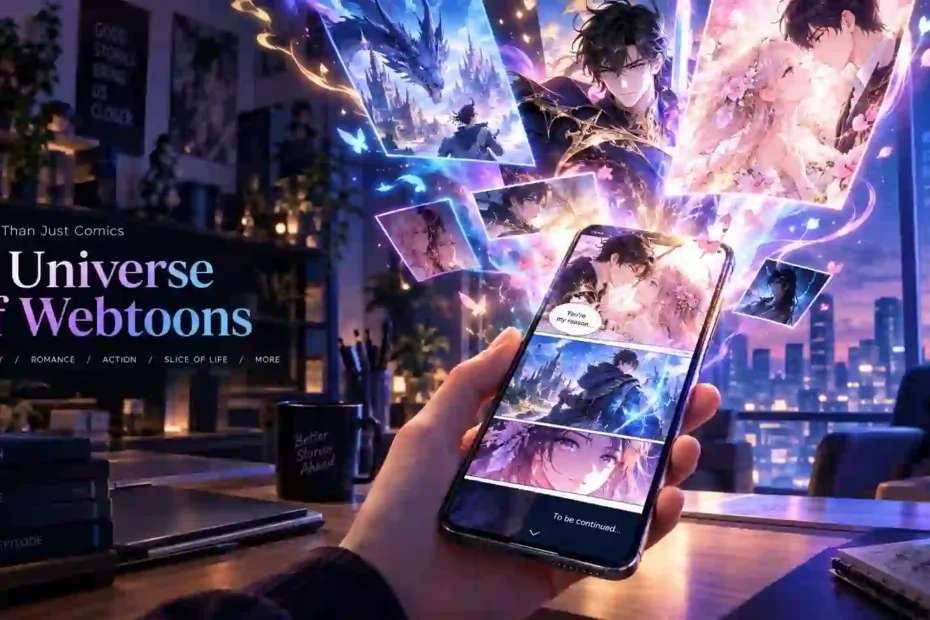
Traditional print comic books feel clumsy and awkward on modern smartphones because horizontal page turns and manual pinch-to-zoom controls constantly disrupt natural reading flow. Readers squint at miniature speech bubbles, miss subtle visual details, and lose emotional momentum during dramatic action scenes. Vertical digital comics eliminate this friction entirely through seamless downward scrolling engineered natively for handheld touchscreens and fast mobile lifestyles.
What Is a Webtoon and How Does It Redefine Mobile Reading?
A webtoon represents a digital comic formatted as a continuous vertical strip designed specifically for smartphones and tablets. Unlike traditional print comics that require horizontal page flipping, this medium uses infinite vertical scrolling to deliver smooth visual pacing. Readers consume each chapter by swiping downward with a single thumb, creating an effortless reading rhythm.
Every episode features full-color digital artwork, cinematic panel transitions, and mobile-friendly typography. South Korean creators pioneered this format in the early 2000s to solve desktop and mobile screen reading constraints. Today, global readers experience rich episodic storytelling that blends graphic illustration with cinematic pacing on their handheld devices.
The format alters how artists construct narrative tension across sequential panels. Traditional comic creators rely on dramatic page turns to deliver shocking plot twists and emotional surprises. Vertical comic artists instead expand white space between panels to control scrolling speed and heighten narrative suspense.
How Did Korean Manhwa Evolve into the Modern Vertical Comic Phenomenon?
South Korea experienced a severe publishing crisis during the late 1990s Asian financial collapse. Print comic rental shops shuttered across the country, decimating domestic manhwa publishing houses and leaving countless professional artists without steady work. Creative talents needed an entirely new distribution pipeline to reach paying audiences without high physical printing costs.
Internet portals stepped forward to rebuild the domestic comics market through online publishing. Daum introduced an online comic section in 2003, followed quickly by search giant Naver launching its dedicated digital portal in 2004 under founder JunKoo Kim. These visionary platforms published digital comics for free to build immense daily web traffic across their search engines.
The true creative revolution arrived between 2007 and 2010 when smartphones transformed consumer digital habits. Readers no longer sat in front of desktop computer monitors to browse sequential comic pages. Illustrators quickly abandoned horizontal comic grids and embraced vertical scrolling to optimize visual storytelling for portable smartphone screens.
This transition opened immense creative opportunities for creators across Asia and the West. Digital serials quickly evolved from niche digital novelties into mainstream cultural powerhouses that rival traditional print manga and Western superhero comics. Industry data from the Korea Creative Content Agency documents how this digital format transformed regional publishing into a multibillion-dollar global export industry.
What Core Structural Differences Separate Vertical Digital Strips from Print Manga?
Traditional print manga relies on black-and-white ink drawings arranged within complex multi-panel page grids. Readers follow panels from right to left across physical paper spreads, adjusting their gaze across diagonal panel layouts. Print publishers constrain stories within fixed paper trim sizes, restricting how artists guide reader attention across two-page spreads.
Vertical mobile comics completely discard fixed page borders in favor of continuous digital canvas flows. Artists present stories in vivid full color, using saturated digital lighting to heighten mood and character presence. The continuous vertical flow guides reader eyes straight downward without requiring complex zigzag visual navigation.
White space between panels functions as a musical pause that dictates dramatic reading tempo. A wide vertical gap between an argument and a punch creates visceral narrative tension while the reader scrolls. Small panels placed closely together accelerate action scenes, while expansive vertical splash panels showcase grand panoramic vistas.
Analyzing these formats reveals distinct artistic choices. Key structural differences between print manga and modern vertical comics include:
- Panel Flow: Print manga utilizes right-to-left horizontal spreads, whereas digital vertical comics rely on downward vertical scrolling.
- Color Application: Print manga favors black-and-white ink with screentones, while digital strips feature vibrant digital colors and lighting effects.
- Spatial Pacing: Print manga controls surprises via physical page turns, while vertical strips control tension through expansive vertical white space.
- Device Optimization: Print manga requires two-page spread viewing, while vertical strips offer native one-handed smartphone navigation.
How Does the EN Webtoon Ecosystem Connect Global English Audiences?
International comic fandom expanded rapidly when Line launched its dedicated en webtoon digital platform in 2014. Global audiences suddenly gained free legal access to premier South Korean digital manhwa translated into fluent English. Professional localization teams adapted culturally specific Korean honorifics, colloquial humor, and visual idioms to resonate with Western readers.
This global publishing service dismantled traditional licensing barriers that previously delayed foreign comic releases by months or years. International fans no longer depended on unofficial scanlation groups to enjoy popular episodic graphic stories. Simultaneous digital releases across worldwide time zones unified global fandoms and stimulated vibrant online discussion threads.
Western creators quickly recognized the storytelling power of the vertical scrolling format. Groundbreaking independent graphic serials like Lore Olympus by Rachel Smythe and UnOrdinary by chels.c captured millions of weekly readers. These creators demonstrated that the vertical medium could nurture fresh storytelling voices beyond the original South Korean entertainment sphere.
The international community thrives on direct social engagement built right into the reading software. Readers vote on episodes, share favorite panels across social networks, and leave hundreds of thousands of comments beneath weekly cliffhangers. This active dialogue connects artists directly with enthusiastic readers, creating a modern participatory comic culture.
Which Digital Comic Platforms Lead the Global Marketplace Today?
Multiple digital publishing services now compete for global reader attention and creator talent. Each service offers distinct content catalogs, mobile user interfaces, and reader monetization mechanics. Understanding these platform differences helps readers discover compelling graphic novels and guides independent creators toward the best publishing home.
Line Webtoon stands as the global market leader, hosting massive international hits alongside open self-publishing portals. Tapas focuses on romantic fantasy serials, web novels, and bite-sized visual storytelling tailored for Western mobile readers. Tappytoon and Lezhin Comics specialize in premium licensed South Korean manhwa, catering heavily to romance, drama, and mature narrative genres.
Comparing publishing portals clarifies where different audiences congregate. The following comprehensive breakdown details how major mobile comic platforms compare across core operational metrics:
| Platform Name | Parent Company | Monetization Model | Content Specialization | Creator Publishing Route | Mobile App Availability |
|---|---|---|---|---|---|
| Webtoon | Naver Corporation | Free to read, Fast Pass coins, Ad-revenue share | Diverse mainstream genres, action, romance, indie originals | Open Canvas portal and contracted Originals | iOS, Android, Desktop Web |
| Tapas | Kakao Entertainment | Ink currency, Wait-Until-Free, episode unlocks | Romance fantasy, isekai, web novel adaptations | Community publishing portal and premium contracts | iOS, Android, Desktop Web |
| Tappytoon | Contents First | Token purchases, Daily Pass, ad unlocks | Official Korean manhwa licenses, romance, drama | Professional licensing submissions only | iOS, Android, Desktop Web |
| Lezhin Comics | Kidari Studio | Coin purchases, mature chapter unlocks | Mature romance, psychological thrillers, BL/GL | Creator submissions and professional agency acquisitions | iOS, Android, Desktop Web |
| Pocket Comics | NHN Corporation | Ticket system, coin top-ups, daily free reads | Fantasy romance, historical drama, domestic manhwa | Licensed editorial acquisitions | iOS, Android, Desktop Web |
Readers navigate these platforms using diverse digital currency mechanics. Free readers access unlocked archive episodes, while dedicated fans purchase digital tokens to read advance cliffhanger chapters immediately. This microtransaction model ensures steady cash flow for publishers while rewarding creators whose stories generate intense weekly anticipation.
What Dominant Story Genres Drive High Mobile Reader Engagement?
Romance and romantic fantasy dominate mobile reading charts across both Asian and Western markets. Stories featuring villainess reincarnations, royal court intrigue, and arranged marriages capture immense reader loyalty. These narratives combine opulent historical fashion, dramatic emotional stakes, and witty heroines who rewrite their destined tragedies.
Action and fantasy system narratives attract huge audiences of gaming enthusiasts and shonen fans. Popular series feature modern urban hunters entering supernatural dungeon gates, unlocking digital status menus, and battling godlike monsters. Landmark properties like Solo Leveling, Tower of God, and Omniscient Reader demonstrate how leveling systems create addictive episodic progression.
Psychological thrillers and apocalyptic horror stories thrive on vertical scrolling mechanics. Illustrators use narrow panel corridors and sudden downward reveals to produce chilling jump scares on smartphone screens. Hits like Sweet Home, Bastard, and Pigpen keep readers breathless through calculated pacing, eerie lighting, and deeply flawed character psychologies.
Slice-of-life and comedy series provide comforting daily entertainment for casual mobile readers. These episodes explore relatable workplace stress, college romance, and pet ownership with gentle humor and warm pastel color palettes. Their brief episodic structures offer perfect reading material during short morning commutes and midday coffee breaks.
Successful serials share specific narrative techniques across all categories. Key narrative traits that sustain high reader retention across these genres include:
- Uncompromising Cliffhangers: Episodes end at moments of peak suspense to encourage instant digital coin purchases.
- Relatable Protagonists: Characters possess clear vulnerabilities that make their sudden triumphs emotionally satisfying.
- Dynamic Visual Hook: Memorable character silhouettes and distinctive fashion styles stand out on small phone screens.
- Rapid Plot Progression: Pacing moves quickly to deliver meaningful character development within weekly reading sessions.
How Do Independent Illustrators Monetize Serialized Digital Graphic Novels?
Modern digital comic platforms provide multiple revenue streams that allow skilled artists to pursue full-time illustration careers. Traditional print publishing often required painful upfront printing costs and low author royalty percentages. Digital platforms democratize author compensation by combining direct consumer microtransactions, advertising shares, and intellectual property licensing.
Creators who secure official publishing contracts receive guaranteed monthly episode stipends from platform editors. These creators also earn substantial bonuses whenever enthusiastic readers spend digital currency to unlock unreleased advance chapters. Financial filings from public digital comic parent corporations with the Securities and Exchange Commission confirm that top serial creators earn six-figure annual incomes through platform revenue programs.
Independent creators publishing on open platforms build viable careers through community crowdfunding channels. Artists pair free serialized episodes with external subscriber platforms like Patreon to offer exclusive illustrations, behind-the-scenes sketches, and early script access. Fans happily pledge monthly subscriptions to support creators whose free weekly stories brighten their daily routines.
Secondary licensing offers lucrative long-term financial windfalls for breakout graphic serials. Major publishers actively license hit digital strips for physical graphic novel book distributions through dedicated bookstore imprints. Physical book adaptations frequently appear on prominent bestseller lists, expanding digital creator earnings into traditional retail bookstores.
Artists combine diverse monetization tools to sustain ongoing comic production. Major income sources available to modern digital comic illustrators include:
- Advance Episode Coins: Readers spend real currency to read upcoming episodes before standard public release dates.
- Platform Ad Revenue: Services share advertising profits generated by banner ads placed beneath weekly published episodes.
- Reader Super Likes: Fans send direct financial tips and digital badges to reward artists for outstanding story milestones.
- Crowdfunding Subscriptions: Dedicated patrons fund ongoing production costs in exchange for bonus illustrations and merchandise perks.
- Physical Book Publishing: Traditional publishers acquire graphic novel print rights for worldwide retail bookstore distribution.
What Key Operational Factors Distinguish Open Canvas Portals from Contracted Originals?
Open self-publishing portals provide an accessible launchpad where any aspiring artist can upload graphic stories immediately. Platforms place zero gatekeepers between creators and prospective readers, allowing unconventional narratives to find passionate niche audiences. Artists maintain total copyright ownership, set their own upload timetables, and experiment freely with distinct visual aesthetics.
Open publishing demands immense personal discipline and proactive self-promotion from independent artists. Creators handle every aspect of story production alone, including writing, drawing, coloring, lettering, and social media marketing. Building an audience on open portals requires consistent weekly posting and active community interaction across online forums.
Contracted publishing programs select top-performing open series and elevate them into flagship featured releases. Chosen artists receive dedicated editorial guidance, translation into multiple languages, and prominent banner placement on app homepages. In return, creators commit to strict weekly delivery deadlines and produce lengthy, polished episodes containing fifty to eighty full panels.
Comparing creator paths highlights important commercial trade-offs. The operational differences between self-published community portals and contracted professional programs include:
- Editorial Support: Self-published artists work independently, while contracted creators collaborate with professional story editors.
- Publishing Schedule: Open creators choose flexible upload dates, whereas contracted creators must meet firm weekly publishing deadlines.
- Promotional Placement: Open series rely on organic discovery, while featured series receive front-page promotional banners and marketing campaigns.
- Copyright Ownership: Open creators retain complete story rights, while professional contracts often involve shared digital distribution agreements.
- Localization Scope: Open series remain in their original language unless fan-translated, while featured series receive official worldwide translations.
How Do Korean Digital Comics Power Global Streaming and Television Hits?
Entertainment studios view serialized mobile graphic novels as pre-tested storyboards with built-in global fanbases. Film producers can review years of precise reader data, user comments, and retention metrics before financing expensive screen adaptations. This empirical data significantly lowers financial production risks compared to developing untested original film screenplays.
Global streaming services like Netflix have achieved extraordinary viewership through adaptations of popular mobile comic intellectual properties. Dark fantasy thriller Sweet Home became an international streaming sensation, proving that Korean digital comics translate seamlessly into high-budget live-action spectacles. High school zombie apocalypse series All of Us Are Dead repeated this phenomenal success, topping streaming charts worldwide within days of premiere.
Romance adaptations achieve equally impressive international streaming ratings across Asian and Western territories. Workplace romance drama Business Proposal and revenge melodrama Marry My Husband captured massive worldwide audiences on leading television networks and digital streaming services. These productions stay remarkably faithful to the dynamic framing and comedic timing established in the original digital graphic chapters.
Animation studios actively adapt action-heavy mobile manhwa to satisfy soaring global anime consumption. Hit series like Tower of God, The God of High School, and Noblesse earned dedicated television anime adaptations co-produced with Crunchyroll. Blockbuster phenomenon Solo Leveling set new streaming records for modern action anime, proving that digital manhwa intellectual properties compete directly with premier Japanese manga franchises.
Studio executives monitor specific entertainment variables when scouting graphic novels. Key industry factors driving the mobile comic adaptation boom include:
- Validated Commercial Appeal: Millions of active digital readers provide reliable proof of narrative engagement before filming begins.
- Pre-Visualized Storyboards: Dynamic digital comic panels provide directors with ready-made visual compositions and costume designs.
- Built-In Marketing Engines: Enthusiastic comic readers become immediate ambassadors who promote television adaptations across social media.
- Transmedia Merchandising: Successful adaptations drive viewers backward to read original digital source chapters, generating circular revenue loops.
How Can Beginners Plan, Draw, and Publish Their First Digital Comic Episode?
Launching an original vertical comic series requires careful creative planning and systematic digital production habits. Many beginner artists abandon projects early because they underestimate the massive volume of weekly drawing required. Establishing an organized production pipeline preserves your artistic energy and ensures your storytelling remains visually consistent across long serialized arcs.
Begin by writing a comprehensive story outline that details major plot conflicts, character motivations, and dramatic seasonal climaxes. Break your broad outline into individual episode scripts containing specific dialogue and visual panel descriptions. Aim for thirty to forty panels per episode when starting out, allowing you to deliver satisfying narrative progression without suffering creative exhaustion.
Transfer your written script into loose vertical thumbnails to test visual pacing and reader eye travel. Use specialized drawing software like Clip Studio Paint, which offers dedicated multi-page vertical comic workspace features. Position speech balloons strategically to guide reader eyes naturally from one emotional moment to the next as they scroll downward.
Structuring your studio process ensures consistent artistic quality. Execute your final illustration workflow in clearly separated production stages to maximize drawing efficiency:
- Storyboard Thumbnails: Sketch quick structural layouts to test vertical spacing, panel pacing, and speech balloon placement.
- Perspective and 3D Sets: Place pre-rendered three-dimensional background models into your scenes to establish accurate architectural spaces quickly.
- Digital Line Work: Draw clean character inks using expressive digital brush pens that retain sharp definition on mobile screens.
- Flat Colors and Shading: Fill character silhouettes with base colors, then apply ambient digital lighting to establish dramatic atmosphere.
- Typography and Sound FX: Insert clear dialogue lettering, expressive sound effect graphics, and accessible reading balloons.
- Episode Slicing and QA: Cut your continuous vertical canvas into platform-compliant image slices and preview them on a real smartphone.
Experienced creators always build a safety buffer of five to ten completed episodes before publishing their first chapter publicly. This operational buffer protects your weekly publishing schedule against unexpected illness, creative block, or personal emergencies. Consistent weekly uploads build algorithmic momentum and reassure readers that your story will continue reliably.
What Exact Dimensions and Technical Specifications Ensure Crisp Smartphone Display?
Mobile comic platforms enforce strict technical parameters to optimize image loading speeds across cellular data networks. Uploading oversized image files causes annoying app buffering, while compressed files create blurry panels and illegible text. Mastering standard digital canvas dimensions guarantees that your artwork displays crisply across various smartphone screen resolutions.
The universal industry standard width for vertical comic uploads is 800 pixels. Platform upload managers restrict individual image slice heights to 1280 pixels, though artists typically draw on much taller master canvases before slicing. Maintaining an 800 by 1280 pixel slice ratio ensures that your panels fill modern smartphone screens comfortably without awkward horizontal cropping.
Professional illustrators generally create master working files at double or triple the final upload resolution. Drawing your master canvas at 1600 or 2400 pixels wide allows you to capture intricate character details and future-proofs your files for potential physical book printings. Once an episode is finished, export downsampled JPEG or PNG files formatted specifically for mobile app servers.
Meeting file requirements avoids upload rejections and display artifacts. Key technical specifications for mobile digital comic publishing include:
- Master File Width: Create master files at 1600 to 2400 pixels wide at 300 DPI to preserve high-resolution line quality.
- Upload File Width: Export final slices at exactly 800 pixels wide at 72 DPI for seamless platform compatibility.
- Maximum Slice Height: Restrict individual uploaded image files to 1280 pixels tall to avoid automated platform compression errors.
- File Size Limits: Keep individual image slices under 2 megabytes, with total episode size remaining below 20 megabytes.
- Color Profile: Save all artwork in standard sRGB color space to ensure consistent color presentation across various mobile displays.
- Typography Sizing: Set dialogue text between 12 and 16 points at final upload resolution to guarantee effortless readability on small screens.
Use automated image slicing tools like Croppy or native export scripts in Clip Studio Paint to cut your long canvas into compliant slices. Always upload your sliced files to a test folder and preview the complete episode directly on a handheld smartphone. Verifying panel flow and font readability on physical hardware prevents costly visual errors before public distribution.
How Will Emerging Interactive Media and Audio Integration Shape Future Reading?
Digital comic platforms continually push past static image presentation by integrating rich multimedia elements into mobile reading experiences. Sound design represents one of the most powerful innovations enhancing modern vertical storytelling. Leading platforms allow creators to embed original musical scores, ambient environmental soundscapes, and reactive sound effects directly into specific comic panels.
Reading an atmospheric horror scene with real-time thunderstorm sounds creates spine-tingling emotional immersion for smartphone users. Gentle acoustic guitar melodies heighten tender romance confessions, while pulse-pounding electronic beats intensify dynamic martial arts brawls. These audio cues trigger automatically as readers scroll past designated vertical coordinates, synchronizing music perfectly with visual pacing.
Subtle motion graphics and animated GIF panels introduce kinetic energy into climatic action sequences. Illustrators integrate glowing particle effects, falling cherry blossom petals, and shifting character eye movements directly into vertical panels. These lightweight animations grab reader attention without overwhelming mobile processors or draining smartphone battery life.
Technology continues to reshape mobile storytelling formats. The future of mobile graphic literature will also emphasize expanded accessibility and enhanced reader community features:
- Dynamic Audio Integration: Atmospheric music and responsive sound effects synchronize seamlessly with reader downward scrolling speeds.
- Micro-Animations: Subtle kinetic elements highlight magical spells, dramatic weather effects, and emotional character expressions.
- Machine-Assisted Localization: Intelligent translation drafting tools help independent creators translate dialogue into multiple languages faster.
- Haptic Vibrations: Smartphone vibration motors deliver tactile physical pulses during explosive action impacts and shocking plot reveals.
- Immersive Reader Communities: In-app social features allow readers to discuss specific panels directly within the vertical reading scroll.
Frequently Asked Questions About Digital Comics and Mobile Manhwa
What is the main difference between a webtoon and traditional manga?
A webtoon uses a full-color vertical scrolling format designed for mobile screens, whereas traditional manga uses black-and-white horizontal page spreads designed for physical print. Vertical strips prioritize single-thumb scrolling, while manga preserves traditional Japanese right-to-left paper reading orientation.
Are all serialized vertical comics free to read online?
Most major digital comic platforms operate on a freemium model where readers can access extensive catalog archives completely free. Readers only spend digital currency when they choose to unlock advance cliffhanger episodes or binge completed premium series.
What software do professional vertical comic illustrators use?
Professional creators primarily rely on Clip Studio Paint because it provides specialized tools for multi-page vertical canvases, 3D background rendering, and smartphone preview slicing. Many artists also incorporate Adobe Photoshop for final post-processing color grading and Procreate for portable digital sketching.
How long does an average weekly episode take to produce?
Producing a standard weekly episode containing fifty to eighty polished panels typically requires forty to sixty hours of intense labor. Many professional contracted creators employ studio assistants or collaborate in writer-artist partnerships to maintain these demanding weekly deadlines.
What is the difference between manhwa, manga, and manhua?
Manhwa refers to comics originating in South Korea, manga denotes Japanese comics, and manhua represents graphic narratives created in China, Hong Kong, or Taiwan. While manga retains traditional black-and-white print layouts, modern manhwa almost exclusively utilizes the full-color vertical scrolling digital format.
Can anyone publish a vertical comic series without an agent or publisher?
Yes, anyone can publish immediately by creating an account on open self-publishing portals like Webtoon Canvas or Tapas Community. These open platforms provide free hosting, built-in audience discovery tools, and direct paths to potential professional contracts.
Start Your Journey in the Global Digital Graphic Narrative Movement
The vertical comic movement has fundamentally transformed how the world creates, distributes, and enjoys sequential graphic art. What began as an experimental digital response to a regional publishing crisis now fuels global streaming television hits and empowers thousands of independent artists. The combination of intuitive smartphone scrolling, vibrant digital color, and direct creator monetization has established this medium as the definitive visual storytelling format of our time.
Whether you are a passionate comic reader searching for your next addictive serialized obsession or an aspiring artist dreaming of sharing an original visual world, this expanding digital ecosystem offers endless creative opportunities. Download a leading mobile comic application today, explore diverse independent storytelling genres, and discover the thrill of scrolling through unforgettable graphic adventures. If you possess a compelling story to tell, pick up your digital stylus, open an 800-pixel canvas, and share your unique vision with millions of eager readers across the globe.