
Locating authentic vintage comic toys often feels like navigating a minefield of mislabeled items and hidden damage. Buying an unverified piece can cost you hundreds of euros on brittle plastic or repainted counterfeits that ruin your collection’s value. This definitive collector resource breaks down verified maker marks, character histories, material standards, and market pricing so you can expand your collection with total confidence.
What Are Fix Und Foxi Figuren and Why Do Collectors Treasure Them?
German comic creator Rolf Kauka introduced twin fox brothers Fix and Foxi in 1953. Their immense publication success created a massive demand for three-dimensional merchandise across Europe. Vintage fix und foxi figuren represent a golden era of European comic licensing that rivaled American Disney products.
Collectors value these pieces because they capture iconic post-war German pop culture in physical form. Early releases were hand-painted by factory artisans, making every single piece unique. The combination of vibrant character designs, limited production runs, and nostalgia drives competitive bidding at international auctions today.
Unlike modern mass-produced plastic toys, mid-century figurines carry distinct artistic charm. The subtle hand-painted facial features, expressive poses, and regional manufacturing marks give each character a unique personality. Acquiring a well-preserved piece connects enthusiasts directly to the golden age of European comic publishing.
The Origin Story: How Rolf Kauka Transformed Comic Characters Into Physical Figures
Rolf Kauka realized early on that comics could expand far beyond newsstand pages. Following the rapid growth of his publishing empire, Kauka signed strategic licensing deals with top German toy manufacturers in the early 1960s. This commercial expansion brought his vibrant comic universe straight into living rooms and playgrounds.
The transition from ink drawings to three-dimensional models required precise craftsmanship. Sculptors worked closely with Kauka’s editorial artists to ensure the fox brothers retained their expressive proportions. Early prototypes underwent strict approvals before factories began pouring liquid vinyl and molding hard plastics.
These early licensing partnerships set a new benchmark for European character merchandising. By maintaining strict quality control over mold sculpting and color palettes, Kauka built a recognizable product universe. Original releases from this foundational decade remain the most prized items among serious toy historians.
Key Manufacturers of Vintage Fix Und Foxi Figuren
Several top-tier toy companies held official production licenses for Kauka characters over the decades. Identifying which factory produced your figurine is the first step in determining its historical authenticity and current market worth.
- Goebel (W. Goebel Porzellanfabrik): Produced premium soft rubber squeak figures during the early 1960s. Known for exceptional hand-painted detail and soft vinyl construction.
- Heimo: The primary manufacturer throughout the late 1960s and 1970s. Heimo created various product lines, ranging from 5 cm hard plastic pocket miniatures to 21 cm rubber squeaker figures.
- Schuco (Bigo Bello Series): Crafted flexible plush and wire-frame figures featuring detailed rubber or molded plastic heads during the late 1960s and 1970s.
- Kellogg’s Premiums: Released snap-together plastic promotional figures packaged inside cereal boxes throughout the 1970s.
- Ela John and Fischer: Manufactured specialized thermoplast and squeaking soft vinyl figures in limited regional batches during the mid-1970s.
- McDonald’s Corporation: Distributed licensed PVC promo sets inside Happy Meals during the major comic brand revival in the year 2000.
Each manufacturer applied distinct factory stamps, material formulations, and paint styles. Collectors who learn these factory signatures can instantly spot rare original releases and avoid modern reproductions.
Complete Character Guide: Essential Fix Und Foxi Figuren for Every Collector
Building a complete collection requires understanding the full ensemble of characters created in Kauka’s studio. While the twin foxes remain the headliners, secondary characters often command higher prices due to lower factory production numbers.
The Core Fox Twins
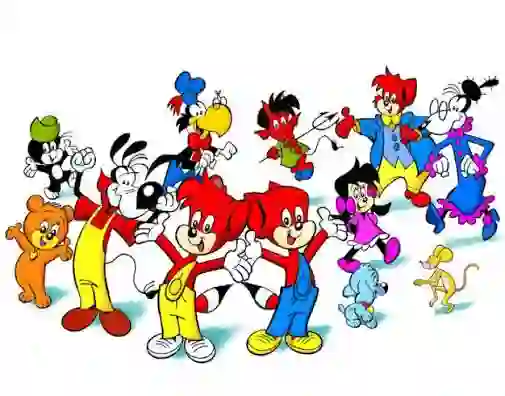
Fix wears his iconic red shirt and blue trousers, acting as the adventurous problem solver. Foxi wears his classic yellow or blue overalls, serving as the cheerful companion. High-grade fix und foxi figuren from early Heimo production batches show crisp eye detailing and sharp color separation between clothing folds.
Lupo the Wolf
Lupo is the gluttonous, lovable wolf who lives in a converted tower. His figurines usually depict him scheming for food, holding a sausage, or relaxing lazily. Vintage Lupo models from Heimo remain highly sought after, especially variants featuring his yellow dungarees.
Professor Knox
Professor Knox is the brilliant yet insanely absent-minded raven inventor. Sculptors captured his quirky demeanor through his round glasses, blue coat, and yellow beak. Because his slender beak and glasses were prone to breakage, intact Knox figures command premium auction prices today.
Oma Eusebia and Lupinchen
Oma Eusebia is the sweet grandmother famous for baking delicious cherry pies and wielding her rolling pin. Lupinchen represents Lupo’s sharp-witted niece. Female characters received smaller production allocations in the 1970s, making them notably rarer in today’s secondary market.
Onkel Fax and the Extended Cast
Onkel Fax provides the stern paternal oversight for the fox twins. Other key figures include Pauli the mole, Mausi the mouse, Mimi, Egon, and Indianer Klein Biberherz. Assembling the complete secondary cast demands patience, as these items appear far less frequently in online listings.
Materials and Manufacturing Techniques Across the Decades
Understanding the raw materials used in production helps you date items accurately and preserve them properly. Manufacturers adjusted their production methods across different decades to match evolving safety standards and industrial technology.
During the 1960s, factories relied heavily on soft vinyl and natural rubber formulations. These pieces incorporated internal air whistles to create squeaking toys for young children. Factory artists applied water-based or enamel paints by hand using tiny hair brushes.
By the 1970s, manufacturers shifted toward durable thermoplast and injection-molded PVC plastic. This transition allowed for higher manufacturing speeds and greater structural consistency. However, hand-finishing remained common for fine facial details like eyes and black nose tips.
Comprehensive Comparison Table of Fix Und Foxi Figuren Eras and Makers
Evaluating historical production eras helps collectors organize their display shelves and spot market anomalies quickly. The following reference table outlines the key eras, primary manufacturers, materials used, rarity ratings, and typical price ranges for authentic collector pieces. Cross-referencing these production details prevents overpaying for late-era reissues.
| Era / Decade | Primary Manufacturer | Material Used | Key Characters Produced | Collector Rarity | Average Price Range (EUR) |
|---|---|---|---|---|---|
| 1960–1965 | Goebel / Hummel | Soft Vinyl / Rubber | Fix, Foxi, Lupo | Very High | €65 – €180 |
| 1965–1972 | Heimo (Early Series) | Hard Thermoplast | Fix, Foxi, Lupo, Knox, Eusebia | High | €25 – €90 |
| 1972–1979 | Heimo (11er & Mini) | PVC / Molded Plastic | Complete Main & Side Cast | Medium | €10 – €45 |
| 1970–1975 | Schuco (Bigo Bello) | Plush, Wire & Vinyl | Fix, Foxi, Lupo | High | €40 – €120 |
| 1975–1980 | Kellogg’s Premiums | Hard Molded Plastic | Fix, Foxi, Lupo, Knox | Medium-High | €15 – €50 |
| 2000 | McDonald’s / License | Injection PVC | Fix, Foxi, Lupo, Eusebia | Low | €3 – €15 |
When analyzing authentic fix und foxi figuren, always evaluate both material weight and paint execution against these historical parameters. Original 1960s vinyl displays a heavier density than lightweight modern plastics.
How to Identify Original Heimo and Goebel Stamp Markings
Authenticating a mid-century figurine requires a close inspection of the manufacturer’s mark. Legitimate licensing partners always embossed copyright credentials directly into the plastic mold.
Look beneath the feet, tail, or lower torso of the figure. Genuine 1970s Heimo pieces feature raised lettering displaying “Heimo” alongside the copyright symbol and “R. Kauka” or “Kauka”. The absence of any markings often indicates an unlicensed bootleg or a generic novelty item.
Early Goebel rubber releases feature four-digit numeric codes stamped on the underside, typically starting with numbers like 4516. They also carry the signature Goebel bee logo or explicit Kauka copyright text. Verifying these stamp details guarantees that you invest in true original releases.
Determining Rarity and Market Value of Rare Vintage Figures
Market values fluctuate based on physical condition, character rarity, and paint preservation. While standard twin fox figures were sold in vast quantities, secondary characters in pristine shape fetch impressive sums.
- Mint Condition (Unplayed): Retains vibrant original factory paint with zero color loss, cracks, or missing limbs. Command maximum market values.
- Minor Wear (Bespielt): Exhibits slight paint rub on raised edges like boots or ears. Very common for authentic 1970s toys and suitable for casual display.
- Damaged or Repainted: Features broken beaks, missing ears, or touch-up paint. Value drops by 60% to 80% compared to untouched originals.
Character scarcity plays a decisive role in pricing. A standard Fix or Foxi figure in average condition might fetch €5 to €15. Conversely, a rare Heimo Egon mouse or a pristine Goebel Professor Knox can easily surpass €80 at specialized comic auctions.
Proven Restoration and Safe Cleaning Methods for PVC and Rubber Figures
Improper cleaning destroys vintage paint layers and permanently slashes a figure’s resale value. Gentle preservation techniques protect your investment while removing decades of accumulated dust and grime.
Never submerge vintage figures in harsh chemical solvents, acetone, or boiling water. Solvents dissolve vintage enamel paints and cause soft vinyl to leach plasticizers, creating a sticky residue on the surface.
- Dusting: Use a soft-bristled makeup brush or camel hair art brush to sweep away loose dirt from tiny crevices.
- Mild Washing: Mix lukewarm water with two drops of neutral dish soap. Dampen a microfiber cloth and wipe the plastic gently.
- Drying: Pat the figure dry immediately using a clean towel. Allow it to air-dry completely at room temperature away from direct sunlight.
- Storage: Store your fix und foxi figuren inside temperature-controlled display cabinets away from ultraviolet light to prevent color fading.
Maintaining stable indoor humidity prevents soft rubber items from hardening or cracking over time. Proper display cases also protect delicate extruding parts like tail tips and bird beaks from accidental drops.
Where to Safely Buy, Trade, and Authenticate Collectible Comic Figures
Acquiring genuine pieces requires sourcing through trusted channels with proven feedback records. Navigating collector marketplaces with clear evaluation criteria keeps your purchasing safe and enjoyable.
Dedicated comic conventions, vintage toy fairs, and established European auction portals serve as excellent buying venues. Verified sellers provide high-resolution photos showing foot stamps, top-head details, and potential paint scuffs.
Joining enthusiast forums and collector groups offers direct access to community expertise. Experienced members regularly share comparison photos between genuine releases and fake re-casts. Working with verified trade directories helps you verify seller reputations before sending payment.
Promotional and Fast-Food Releases: From Kellogg’s Plug-Ins to McDonald’s Sets
Promotional merchandise expanded the reach of Kauka’s characters to millions of young breakfasts and meals across central Europe. These cross-promotions created unique variant styles that collectors treasure today.
During the 1970s, cereal manufacturer Kellogg’s inserted multi-part plastic plug-in toys (Steckfiguren) directly into cereal boxes. Children assembled these bright monochromatic figures by clicking arms and bases together. Complete unassembled sets in original factory bags represent highly prized collector discoveries.
In the year 2000, fast-food giant McDonald’s released a major licensed series of fix und foxi figuren for their Happy Meal promotion. This collection featured dynamic action poses, such as the fox brothers riding colorful skateboards and Oma Eusebia with a wind-up walking mechanism. These durable PVC items provide an affordable entry point for new collectors.
Frequently Asked Questions About Fix Und Foxi Figuren
Which Manufacturer Produced the First Fix Und Foxi Figuren?
Direct Answer: The German porcelain and toy factory W. Goebel produced the earliest officially licensed rubber and vinyl fix und foxi figuren in the early 1960s.
These initial figures featured soft squeaker mechanisms and detailed hand-painted finishes that captured the original comic aesthetic. Today, intact Goebel figures with clear copyright stamps are considered foundational holy grails for mid-century comic collectors.
How Can I Tell if My Heimo Figurine Is Authentic?
Direct Answer: You can confirm authenticity by checking the underside of the figure’s feet or lower body for embossed copyright text displaying “Heimo © R. Kauka”.
Genuine Heimo pieces always incorporate raised factory lettering rather than cheap surface stickers. Authentic figures also show proper weight density and original hand-painted facial features without modern synthetic gloss.
What Is the Most Valuable Fix Und Foxi Character Figure?
Direct Answer: Secondary characters like Professor Knox, Egon the mouse, and Lupinchen command the highest market prices due to limited original production runs.
Early 1960s Goebel vinyl figures in pristine condition and rare Heimo variants like Knox with a blue hat often fetch between €70 and €180 among serious collectors. Main characters like Fix and Foxi were produced in larger batches, keeping their price more accessible.
How Do I Prevent Vintage Rubber Figures From Becoming Sticky?
Direct Answer: Prevent sticky surfaces by storing your figures in a cool, well-ventilated space below 22 degrees Celsius away from direct sunlight.
Sticky surfaces occur when vintage vinyl leaches plasticizing oils due to heat or improper chemical cleaning. Wash sticky figures gently using lukewarm water and mild neutral soap, then allow them to air-dry thoroughly at room temperature.
Are McDonald’s Happy Meal Figures From 2000 Worth Collecting?
Direct Answer: Yes, the 2000 McDonald’s Happy Meal series is a fun, accessible set that offers great display appeal for collectors of all experience levels.
While individual pieces generally cost between €3 and €10, complete mint-condition sets featuring all interactive mechanisms offer great display value and historical interest. They serve as a perfect budget-friendly stepping stone before investing in rare 1960s figures.
Where Are the Best Places to Sell Vintage German Comic Toys?
Direct Answer: The best venues for selling include specialized comic auctions, vintage toy fairs, and established collector platforms such as regional German classified portals or eBay.
Listing items with detailed photos of maker marks, paint condition, and exact height measurements attracts serious buyers willing to pay full market value. Clear descriptions build buyer confidence and ensure quick transactions without unnecessary price negotiations.
Next Steps for Expanding Your Comic Figurine Collection
Building an authoritative collection of fix und foxi figuren requires a keen eye for factory stamps, character historical context, and proper preservation standards. Every authentic figurine you acquire preserves a tangible piece of European comic heritage.
Take action today by auditing your current holdings against verified manufacturer marks and catalog listings. Inspect foot stamps, document paint conditions, and store your treasures in UV-protected displays. Connect with fellow comic historians, trade duplicates wisely, and enjoy the lifelong journey of collecting these timeless German pop culture treasures.