Introduction
Anime girls have captured hearts across the globe, transforming from simple characters into cultural icons. These characters, known as kyara in Japan, exist beyond their original stories, appearing on merchandise, inspiring fashion trends, and sparking countless fan creations. The magic of an anime girl lies in her design, personality, and the emotional connection she creates with audiences. Whether you are an artist learning to draw, a fan discovering new shows, or a creator building your own character, understanding what makes these figures so beloved opens a door to a rich and creative world. This guide explores the history, design, and enduring appeal of the anime girl.
The History of the Anime Girl
The journey of the anime girl began decades ago and reflects deep changes in Japanese society and global pop culture.
The Origins in the 1960s
The first magical girl, and the first anime girl to star in her own show, was Sally the Witch (Mahōtsukai Sarī) in 1966. This series was also the first Japanese animation targeted specifically at young girls. Sally was a princess from a magical kingdom who used her powers to help others in the human world. She was inspired by Western characters like Samantha from the American sitcom Bewitched. This early anime girl set the stage for a genre that would grow and evolve for decades.
The Rise of the Magical Girl
The term “magical girl” (mahō shōjo) became popular in the 1980s. Shows like Lalabel, The Magical Girl helped define the genre. However, it was the global phenomenon of Sailor Moon in the 1990s that truly cemented the anime girl as a global icon. Sailor Moon, also known as Usagi Tsukino, was a clumsy schoolgirl who transformed into a powerful superheroine. She was both powerful and deeply emotional, showing that femininity and strength could coexist. Her success paved the way for countless other heroines.
Evolution and Modern Trends
Over time, the target audience for anime has matured, shifting from children to teenagers and young adults. This has led to more complex and psychologically rich anime girl characters. Since the 2000s, character design has undergone “moe-ification,” with softer and more expressive features becoming prominent. Today, the anime girl is more diverse than ever, appearing in every genre from action to romance to slice-of-life.
Why Anime Girls Are So Popular
The appeal of the anime girl goes beyond just cute aesthetics. Several factors contribute to their lasting popularity.
Emotional Connection
Anime girls are often designed to be relatable. They face challenges, grow as people, and form deep friendships. Viewers see parts of themselves in these characters. This emotional bond is a key reason why fans become so attached to their favorite anime girl.
Distinctive Visual Design
The visual style of anime is instantly recognizable. Anime girls feature large, expressive eyes, colorful hair, and unique outfits that make them stand out. The focus on visual appeal is a major draw. In fact, studies show that visual signals play a more dominant role than personality traits in shaping audience preferences. A well-designed anime girl with a “moe-style” face is more likely to become popular.
Escapism and Fantasy
Anime girls often inhabit worlds of magic, adventure, or futuristic technology. They can be powerful warriors, skilled magicians, or students with extraordinary destinies. This allows fans to escape from their daily lives and experience exciting stories through the eyes of an anime girl.
Community and Fandom
Loving an anime girl is often a shared experience. Fans connect online, at conventions, and through cosplay. They create art, write stories, and discuss their favorite characters. This sense of community makes the fandom feel alive and welcoming.
The Art of Designing an Anime Girl
Creating a memorable anime girl is a thoughtful process that combines art, storytelling, and psychology.
The Creative Process
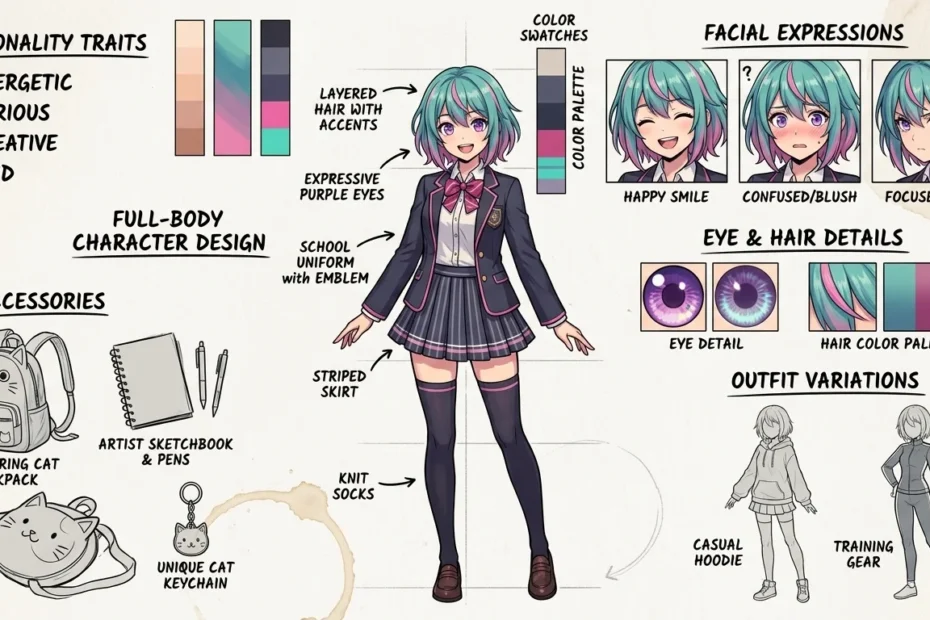
Professional artists and hobbyists follow similar steps when designing an anime girl. The process starts with a core idea. You need to ask yourself: What is the purpose of this character? What is her theme? What is her personality? A character with contradictory traits, for example, can be more interesting and complex. Once you have a concept, you can move on to the visual design. Artists often use orthographic drawings to represent the character from multiple angles, ensuring consistency.
The “Dere” Personalities
A fun and popular way to categorize anime girl personalities is through the “dere” archetypes. These are character tropes that describe how a character acts, especially in romantic situations. Here are a few common types:
| Archetype | Description | Example |
|---|---|---|
| Tsundere | Acts cold or hostile at first but becomes warm and caring over time. | Asuka Langley Soryu (Neon Genesis Evangelion) |
| Yandere | Appears sweet and loving but becomes obsessive and violent. | Yuno Gasai (Future Diary) |
| Kuudere | Appears calm, cool, and unemotional on the outside. | Rei Ayanami (Neon Genesis Evangelion) |
| Dandere | Shy, quiet, and socially withdrawn. | Hinata Hyuga (Naruto) |
| Genki | Energetic, enthusiastic, and optimistic. | Naru Narusegawa (Love Hina) |
These archetypes provide a strong foundation for an anime girl‘s personality, making her instantly recognizable to fans.
The Windows to the Soul: Anime Eyes
The eyes are the most distinctive feature of any anime girl. They are often large, detailed, and incredibly expressive, conveying a wide range of emotions.
The Anatomy of Anime Eyes
While styles vary, most anime eyes share common features:
- Simplified Eyelashes: Artists usually don’t draw every single lash. Adding more lashes tends to make the character look more mature and feminine.
- Rounded Shapes: For an anime girl, eyes generally use a rounded shape to portray innocence, youth, and positivity.
- Large Pupils and Highlights: Defining the pupil adds life to the character. Adding shine and highlights makes the eyes look bigger and cuter. The size and placement of highlights can dramatically change the character’s expression.
A Step-by-Step Guide
If you want to draw anime eyes for your own character, you can follow these basic steps:
- Prepare Your Sketch: Start with a light sketch of the eye’s basic shape.
- Outline the Shape: Draw the upper eyelid much thicker than the lower one. Add small triangular shapes to the outer corners of the eye.
- Add the Iris and Pupil: Draw a large circle for the iris and a smaller one for the pupil. Remember, bigger eyes mean a cuter anime girl.
- Add Highlights: Add one or two bright highlights (white spots) to the eye to give it life and shine.
- Add Color: Color the iris. Common colors for an anime girl include blue, brown, green, or purple.
Hair and Fashion: Completing the Look
An anime girl‘s hairstyle and clothing are just as important as her eyes. They instantly communicate her personality, role, and the world she lives in.
Anime Girl Hairstyles
Hair is a major element of an anime girl‘s design. When drawing hair, it’s important to think about volume and flow, envisioning the hair as a distinct shape with mass. Some of the most iconic and easiest hairstyles to draw include:
- Straight Hair with Bangs: A classic and versatile look.
- Short Bob: A cute and modern style.
- High Ponytail: Suggests energy and determination.
- Twin Pigtails: Often associated with youthful or playful characters.
- Spiky Hair: Used for energetic or rebellious characters.
Clothing and Fashion Styles
What an anime girl wears tells you a lot about her. Fashion styles in anime can be categorized into several types. Here are some of the most common:
| Style | Description | Example |
|---|---|---|
| School Uniform (Sailor Fuku) | The iconic Japanese school uniform, often with a pleated skirt and bow. | Usagi Tsukino (Sailor Moon) |
| Lolita | A fashion subculture inspired by Victorian and Rococo clothing, featuring elaborate dresses and petticoats. | Misaki Ayuzawa (Kaichou wa Maid-sama!) |
| Gyaru | A subculture known for trendy, glamorous fashion, often with tanned skin and bold makeup. | Momo Ayase (Dandadan) |
| Fantasy | Elaborate, otherworldly costumes often seen in magical girl or isekai anime. | Emilia (Re:Zero) |
| Casual/Trendy | Modern, everyday outfits that reflect current fashion trends. | Kaoruko Waguri (A Sign of Affection) |
Understanding these styles helps in creating a believable and appealing anime girl.
The Cultural Impact of the Anime Girl
Anime girls have left the screen and become powerful forces in fashion, media, and global culture.
Influence on Fashion
Anime-inspired fashion has moved from cosplay into mainstream streetwear. The influence of iconic characters like Sailor Moon can be seen in global fashion trends, with her blend of youthful brightness and traditional kawaii appeal inspiring streetwear to this day. The “girly cartoon” aesthetic has also become profitable for fashion brands, celebrating a maximalist look that rejects minimalist codes.
Representation and Feminism
Characters like Usagi Tsukino broke the mold by showing that an anime girl could be both a powerful hero and a deeply emotional person, not afraid to cry or show vulnerability. This representation was revolutionary. Today, nearly half (44%) of teen anime fans in the U.S. are female, and an equal percentage have expressed a desire to see more “strong female leads” in anime. This demand is pushing the industry toward more inclusive storytelling.
The Rise of VTubers
The concept of the anime girl has even evolved into a new form of entertainment: VTubers. These are virtual YouTubers who use anime-style avatars to stream content, interact with fans, and build communities.
Iconic Anime Girls Who Shaped the Industry
Certain anime girls have become legends, influencing the industry and generations of fans.
Usagi Tsukino (Sailor Moon)
As the face of the magical girl genre, Usagi Tsukino is arguably the most iconic anime girl of all time. She is a cultural trendsetter who has left a lasting impact on fashion, anime, and feminist representation across the globe.
Major Motoko Kusanagi (Ghost in the Shell)
A powerful cyborg with a philosophical soul, Motoko Kusanagi is one of the most iconic and influential characters in anime history. She is a complex and relatable character whose development throughout the series earns respect.
Chihiro Ogino (Spirited Away)
The protagonist of the first anime movie to win an Oscar, Chihiro is a realistic and compelling anime girl. Her growth from a lost, scared child to a brave young woman is the emotional heart of the film. Creator Hayao Miyazaki focused on her development and journey, not on her looks or a love interest.
Momo Ayase (Dandadan)
Momo Ayase represents a new wave of anime girl characters. She is assertive, boldly outspoken, and refuses to be seen as weak due to her femininity. She defies shonen anime stereotypes and is becoming a modern trendsetter.
Frieren (Frieren: Beyond Journey’s End)
This elf mage explores the nature of time, memory, and connection. Her unique perspective on life and death has made her a critically acclaimed and beloved anime girl in recent years.
Frequently Asked Questions
Q: What is the most popular anime girl of all time?
A: Usagi Tsukino, better known as Sailor Moon, is widely considered the most popular and iconic anime girl of all time. Her influence on anime, fashion, and feminist representation is unmatched.
Q: How do you draw anime eyes for a girl?
A: To draw anime eyes for a girl, start with a rounded shape. Make the upper eyelid thick and add simplified lashes. Draw a large iris and pupil, and add bright highlights to make the eyes look big and expressive.
Q: What are the different “dere” personality types?
A: “Dere” types are character archetypes. Common ones include Tsundere (cold to warm), Yandere (sweet to obsessive), Kuudere (calm and unemotional), Dandere (shy and withdrawn), and Genki (energetic).
Q: Why are anime girl eyes so big?
A: Large eyes in anime are a stylistic choice that serves several purposes. They make characters look cuter and more expressive. The large surface area of the eye allows artists to convey a wide range of emotions with great detail. They also help create a strong emotional connection between the viewer and the anime girl.
Q: What are the most common anime girl hairstyles?
A: Common hairstyles for an anime girl include straight hair with bangs, short bobs, high ponytails, and twin pigtails. These styles are popular because they are visually striking and can be easily customized to reflect a character’s personality.
Q: How has the anime girl changed over time?
A: The anime girl has evolved from the magical housekeepers of the 1960s to complex, psychologically rich characters. Character designs have become softer and more expressive, and modern characters often challenge traditional gender roles and stereotypes.
Conclusion
The anime girl is much more than a simple character type. She is a cultural phenomenon that has evolved over decades, reflecting societal changes and inspiring millions worldwide. From the early days of Sally the Witch to the modern complexity of characters like Frieren and Momo Ayase, the anime girl continues to captivate. Her design, from the expressive anime eyes to the detailed fashion, is a form of art that resonates across borders. Whether you are a fan, an artist, or a creator, the world of the anime girl offers endless inspiration. Start your own journey today and discover the anime girl that speaks to you. Subscribe to our newsletter for more insights into the world of anime, character design tips, and the latest trends in pop culture.